You spent months planning this trip. You’re finally standing in the Maspalomas dunes at golden hour, the light is unreal, and your partner pulls out their phone — and somehow the photo looks like a blurry passport pic with sand in the background.
Sound familiar?
Gran Canaria is one of the most photogenic places in Europe. But getting actually beautiful photos here — the kind you’d print and put on your wall — takes more than a good camera and good intentions. Whether you’re here on holiday, celebrating a honeymoon, or just want to remember this trip properly, this guide will show you exactly how to do it.
Why Gran Canaria Is a Photographer’s Dream (And Why Most People Still Get Bad Photos)
Gran Canaria has everything: volcanic landscapes, golden sand dunes, dramatic cliffs, turquoise water, and some of the best natural light in Europe. The island sits at 28° latitude, which means the sun stays lower in the sky — creating that warm, golden glow for longer periods of the day.
But that same beautiful light disappears fast. And if you don’t know where to go, when to go, or how to pose naturally, you’ll end up with squinting selfies and overcrowded backgrounds.
The difference between a forgettable snapshot and a photo you’ll treasure for 20 years usually comes down to three things: timing, location, and how comfortable you feel in front of the camera.
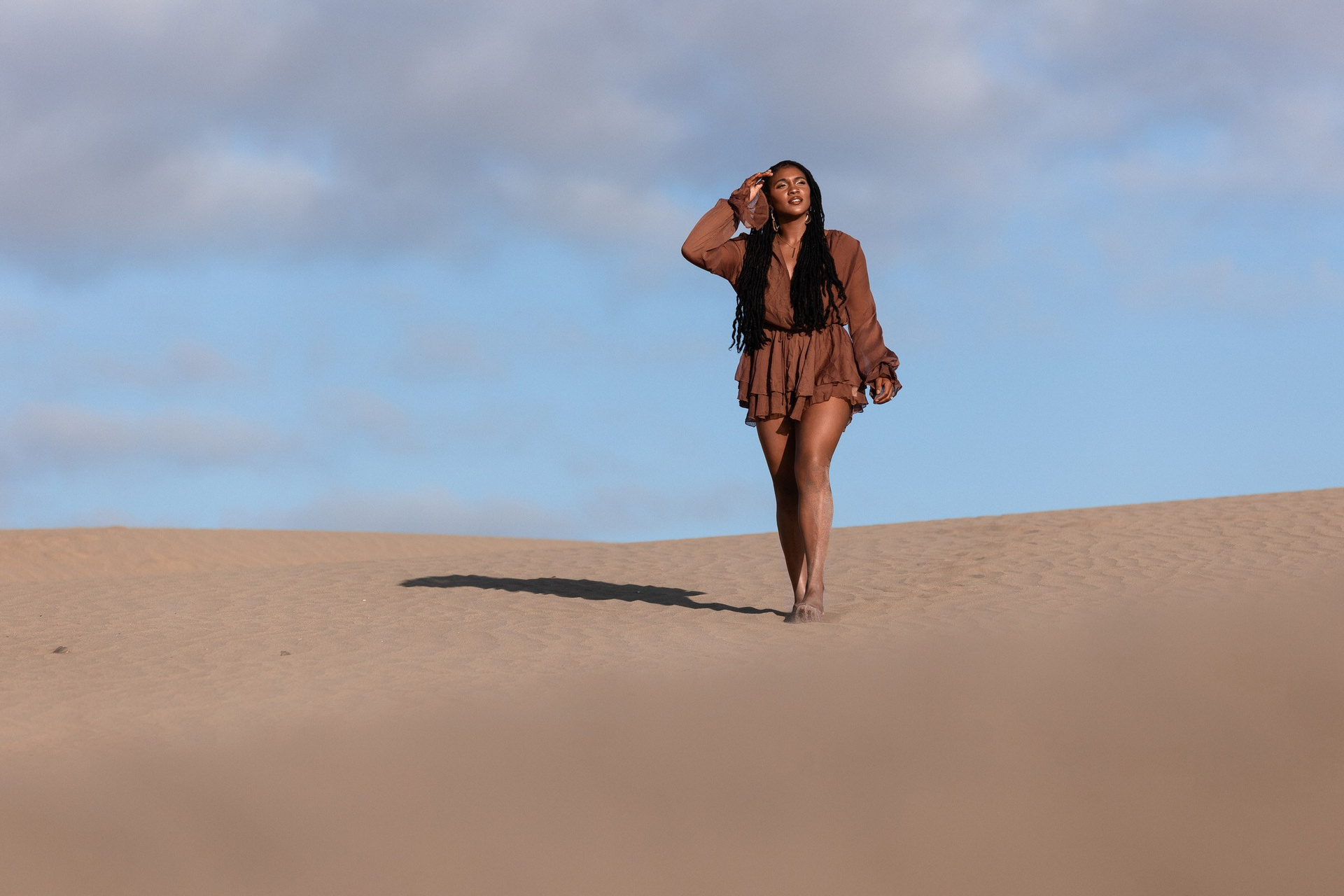
Choose the Right Time of Day
This is the single biggest factor in photo quality — more important than the camera, more important than the location.
Golden Hour Is Non-Negotiable
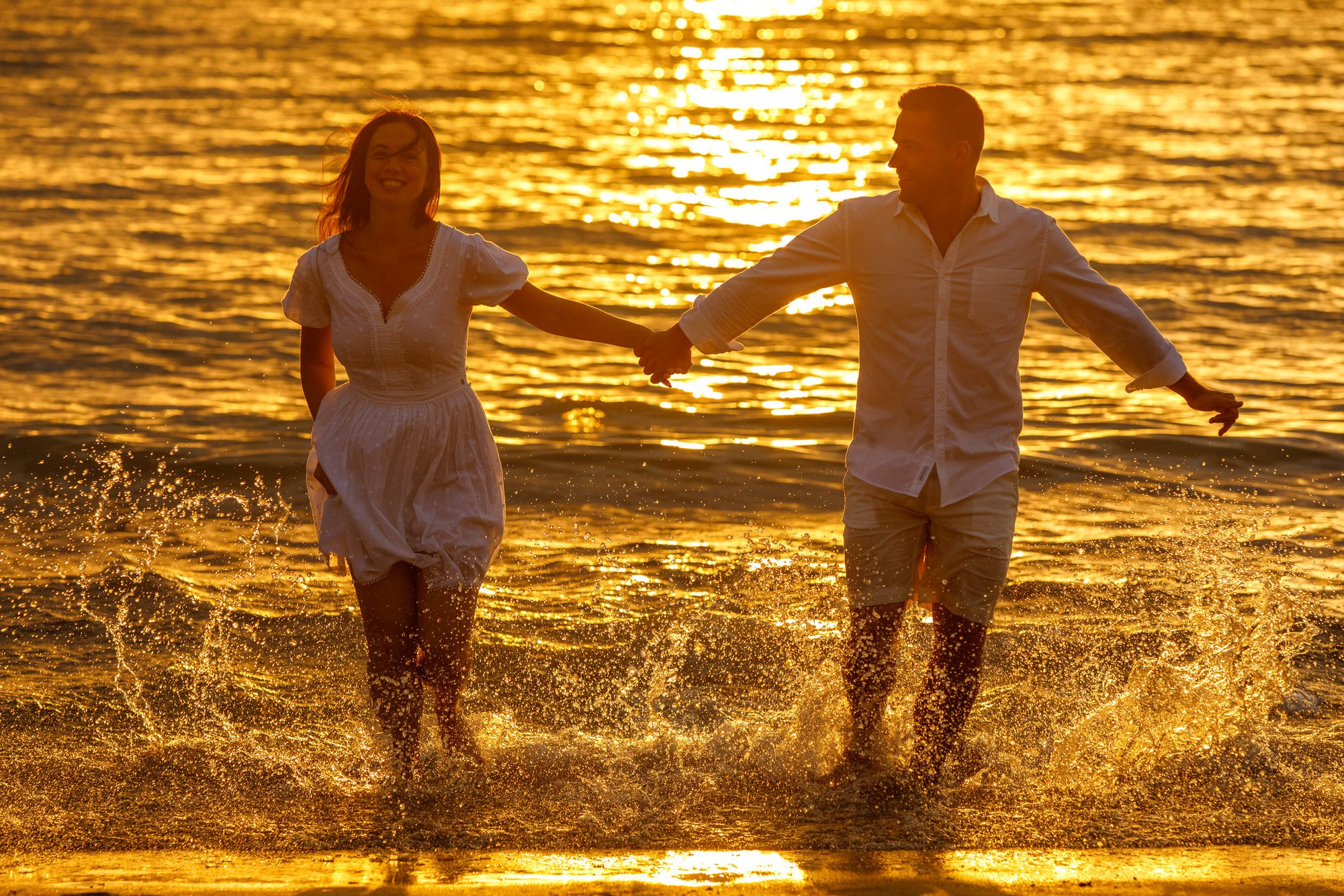
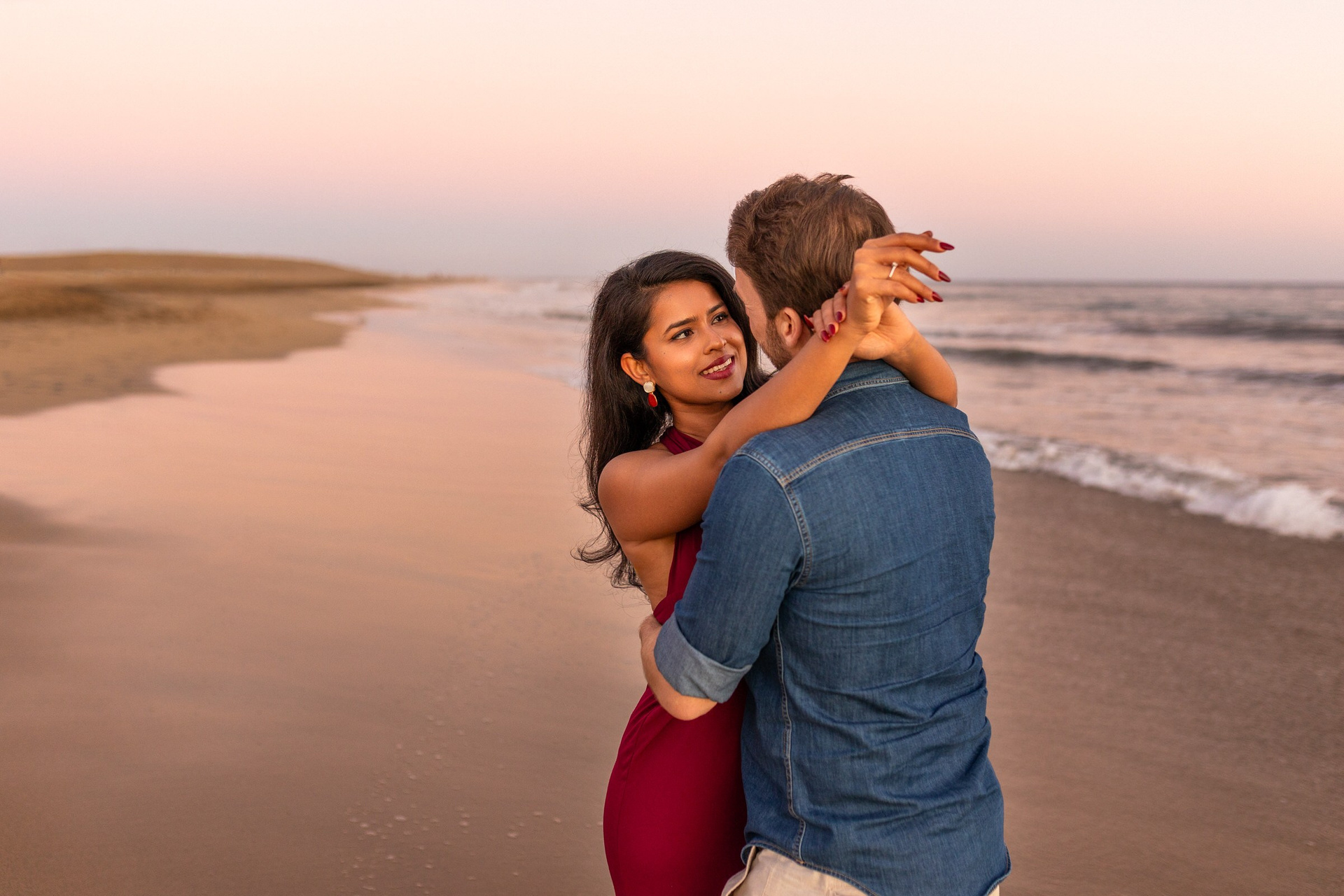
The hour after sunrise and the hour before sunset are when Gran Canaria transforms. The light turns warm and soft, shadows become long and dramatic, and everything looks better — including you.
Practical example: A family shoot at Maspalomas dunes at 9am in July? Harsh shadows, squinting kids, washed-out colours. The same family, same dunes, at 7:30pm? Warm golden light, relaxed atmosphere, magical results.
Avoid Midday Completely
Between 11am and 4pm from May to October, the sun is brutal. It creates harsh shadows under eyes and noses, bleaches out colours, and makes everyone look uncomfortable — because they are.
If midday is all you have, find open shade: under palm trees near the beach promenade, in the colourful streets of Vegueta old town, or in the shade of the cliffs at Amadores beach.
Pick Locations That Do the Work for You
Gran Canaria has no shortage of beautiful backdrops, but some are significantly better for photos than others.
Maspalomas Dunes
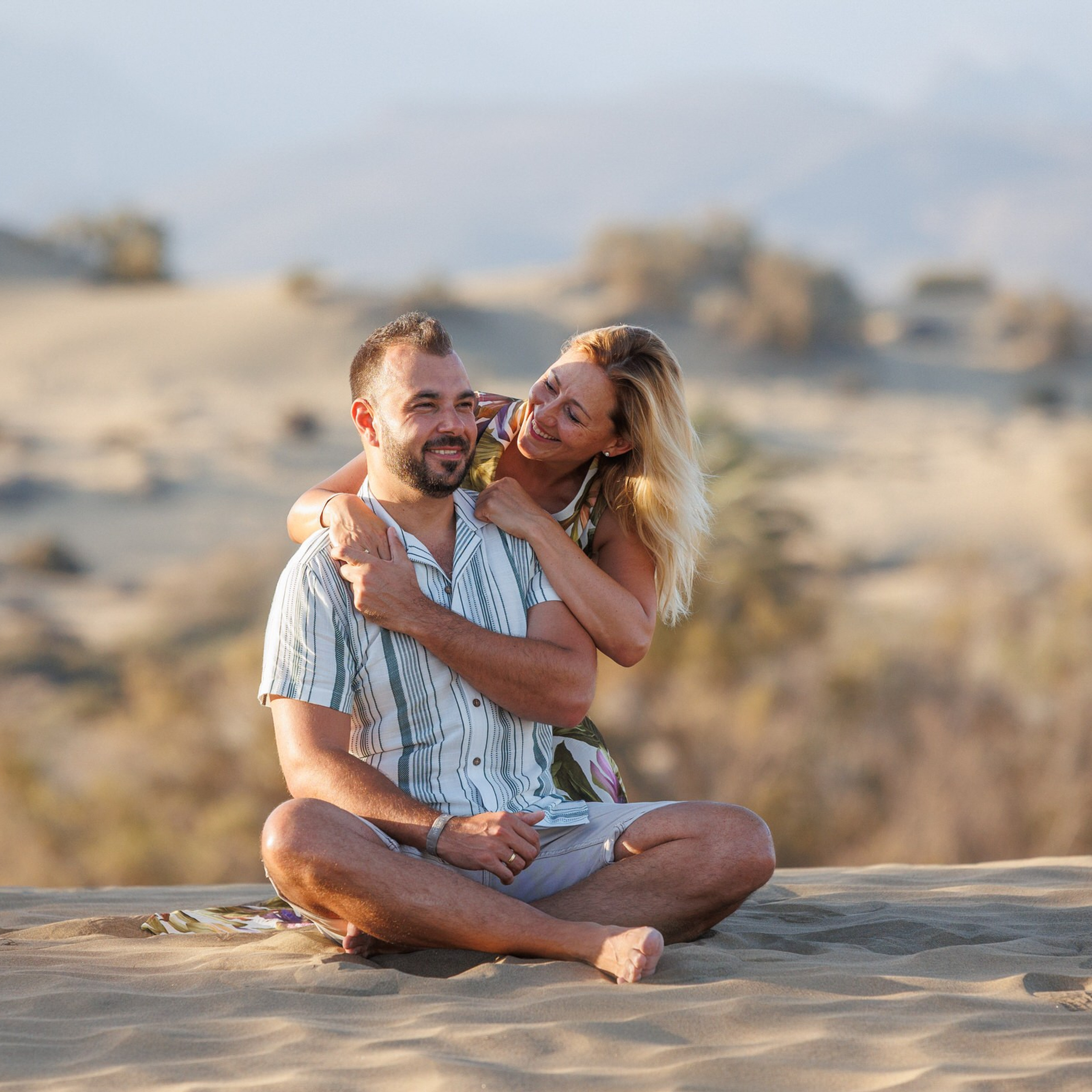
The most iconic location on the island — and for good reason. The rolling sand dunes create a clean, natural backdrop with no roads, buildings, or crowds (if you go at the right time). The soft sand textures and warm colours work beautifully in photos.
Best for: Couples, families, maternity shoots, dramatic solo portraits. Best time: One hour before sunset, when the dunes glow orange. Avoid: Midday weekends in high season — the dunes fill up fast.
Puerto de Mogán
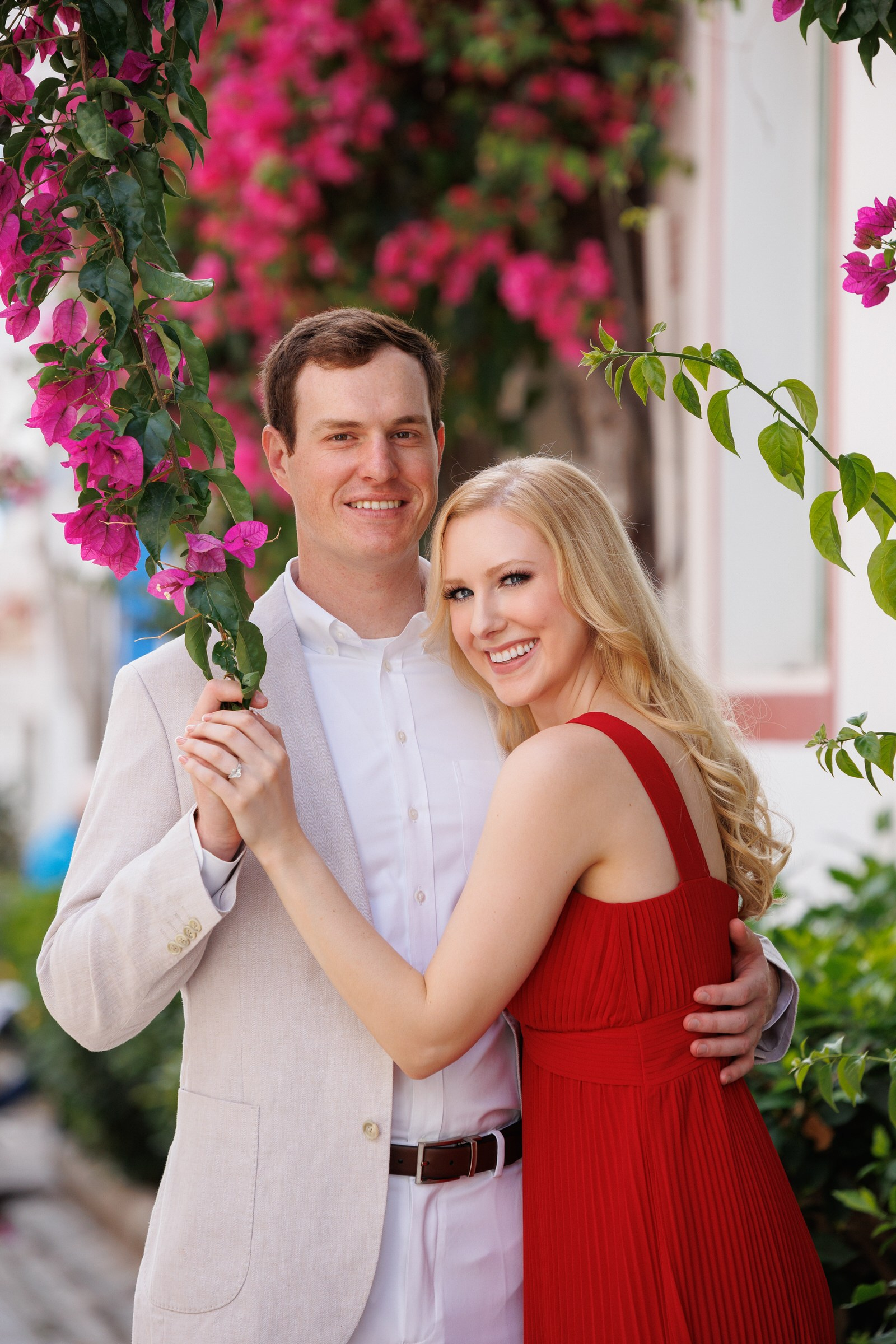
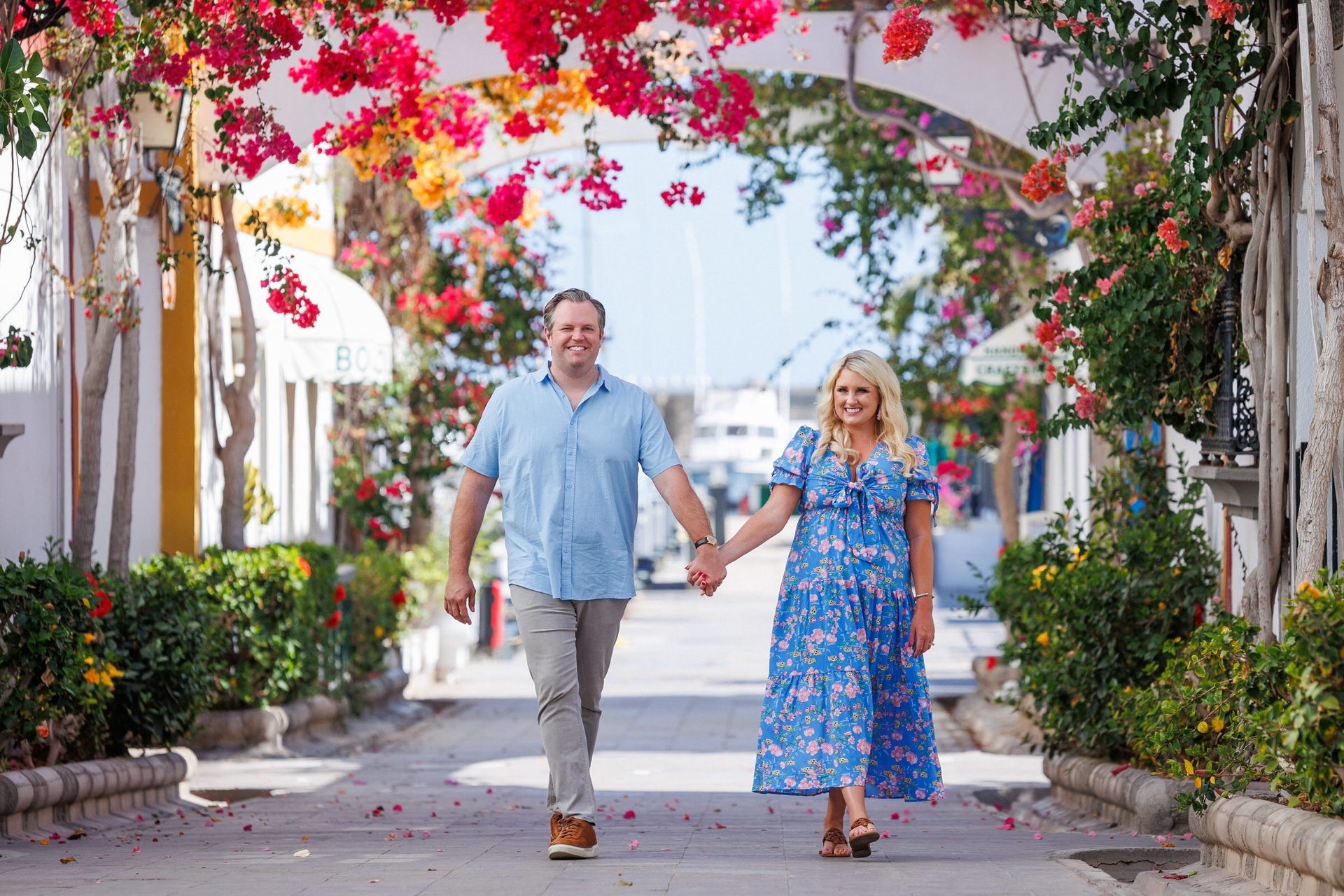
Often called “Little Venice,” this small harbour town in the southwest has whitewashed buildings draped in bougainvillea, colourful boats, and quiet streets. It’s genuinely charming and much less crowded than the main tourist strip.
Best for: Couples, love stories, relaxed family walks. Best time: Early morning (before the day-trip boats arrive) or late afternoon.
Roque Nublo and the Mountain Interior
If you want something completely different from beach photos, the volcanic highland landscapes around Tejeda and Roque Nublo offer dramatic scenery — rocky peaks, pine forests, and sweeping valley views.
Best for: Adventurous couples, hikers, anyone who wants a photo that looks nothing like every other Gran Canaria holiday shot. Best time: Morning, when mist sometimes lingers in the valleys.
Las Palmas Old Town (Vegueta)
The historic quarter of the capital has beautiful colonial architecture, cobblestone streets, and a warm, slightly faded charm. Great for those who want an urban, editorial feel.
Best for: Business portraits, creative couples, solo travellers. Best time: Late afternoon light hits the yellow and ochre buildings perfectly.
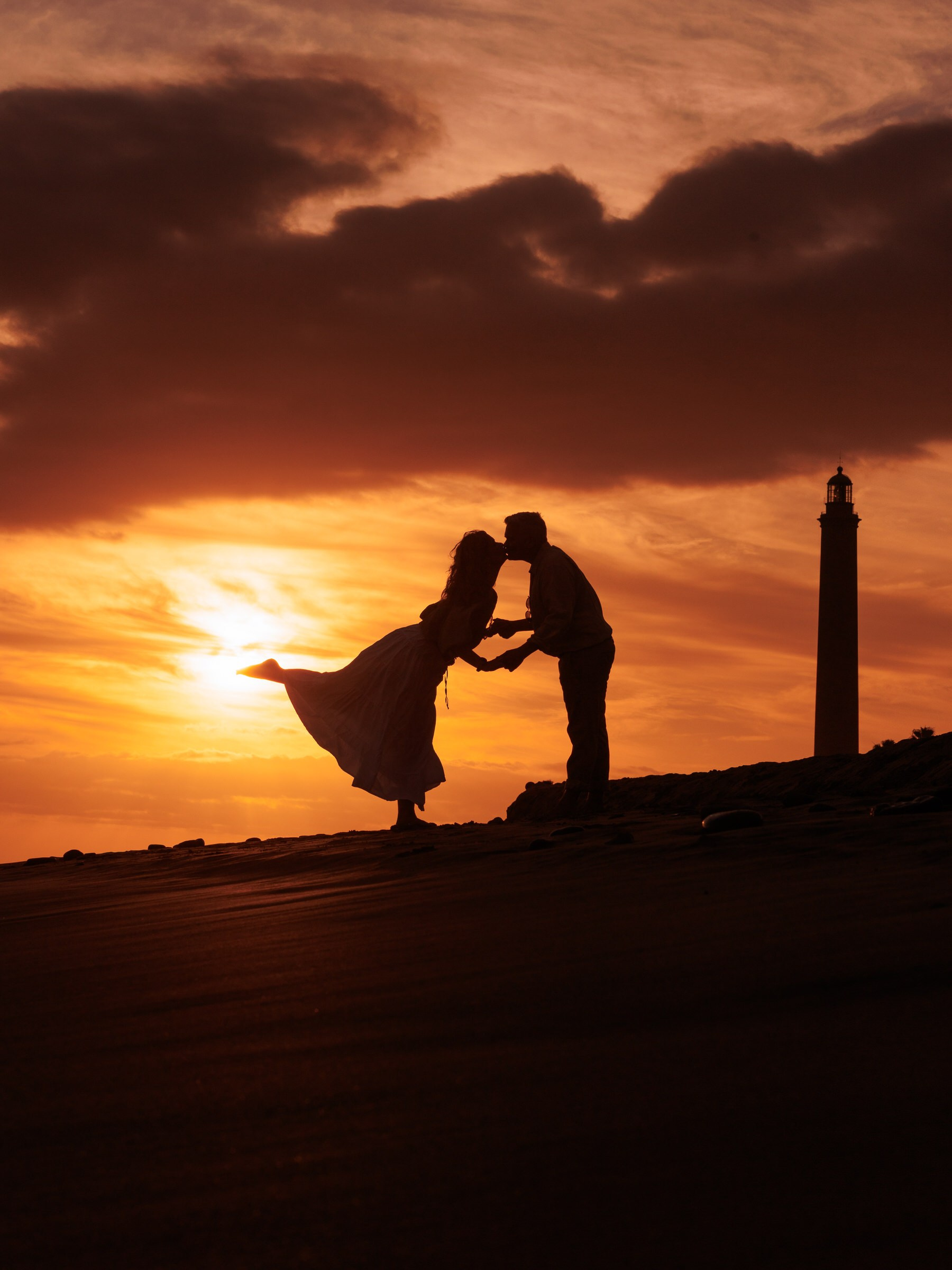
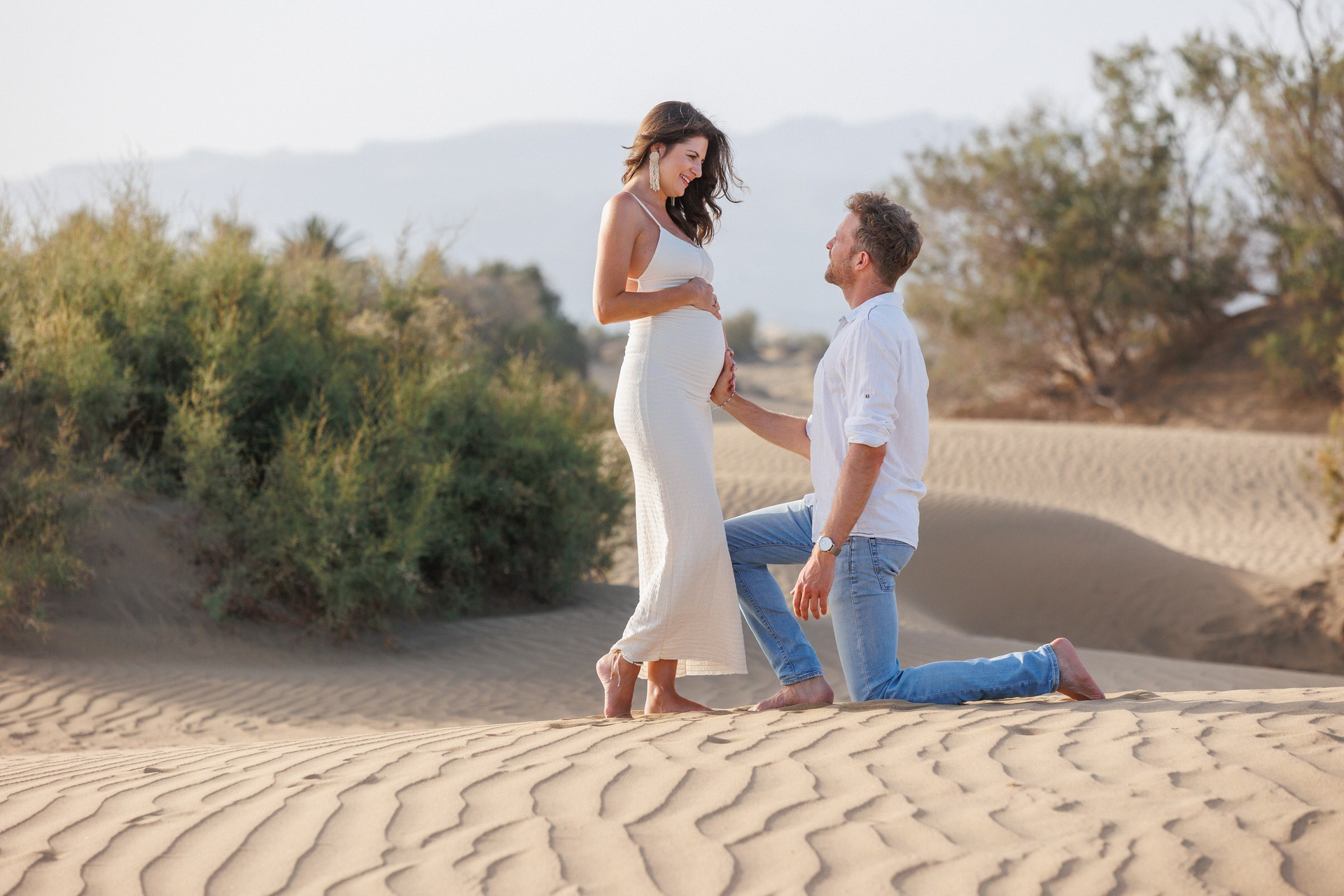
How to Actually Look Natural in Photos
This is what most people struggle with the most. You know what you want to look like. You’ve seen the photos. But the moment someone points a camera at you, everything feels stiff and awkward.
Here’s what actually helps.
Move, Don’t Pose
I always recommend movement instead of stiff posing. Static poses almost always look forced. Instead of standing still and smiling at the camera, I encourage you to walk, laugh together, look out at the view, or simply interact naturally — holding hands while walking, sharing a drink, or spinning a child around.
Practical example: instead of asking you to “stand here and smile”, I may ask you to walk slowly toward me while talking to each other. Nine times out of ten, one of those in-between moments — mid-laugh or mid-step — becomes the best photo from the whole session.
Wear What You Actually Feel Good In
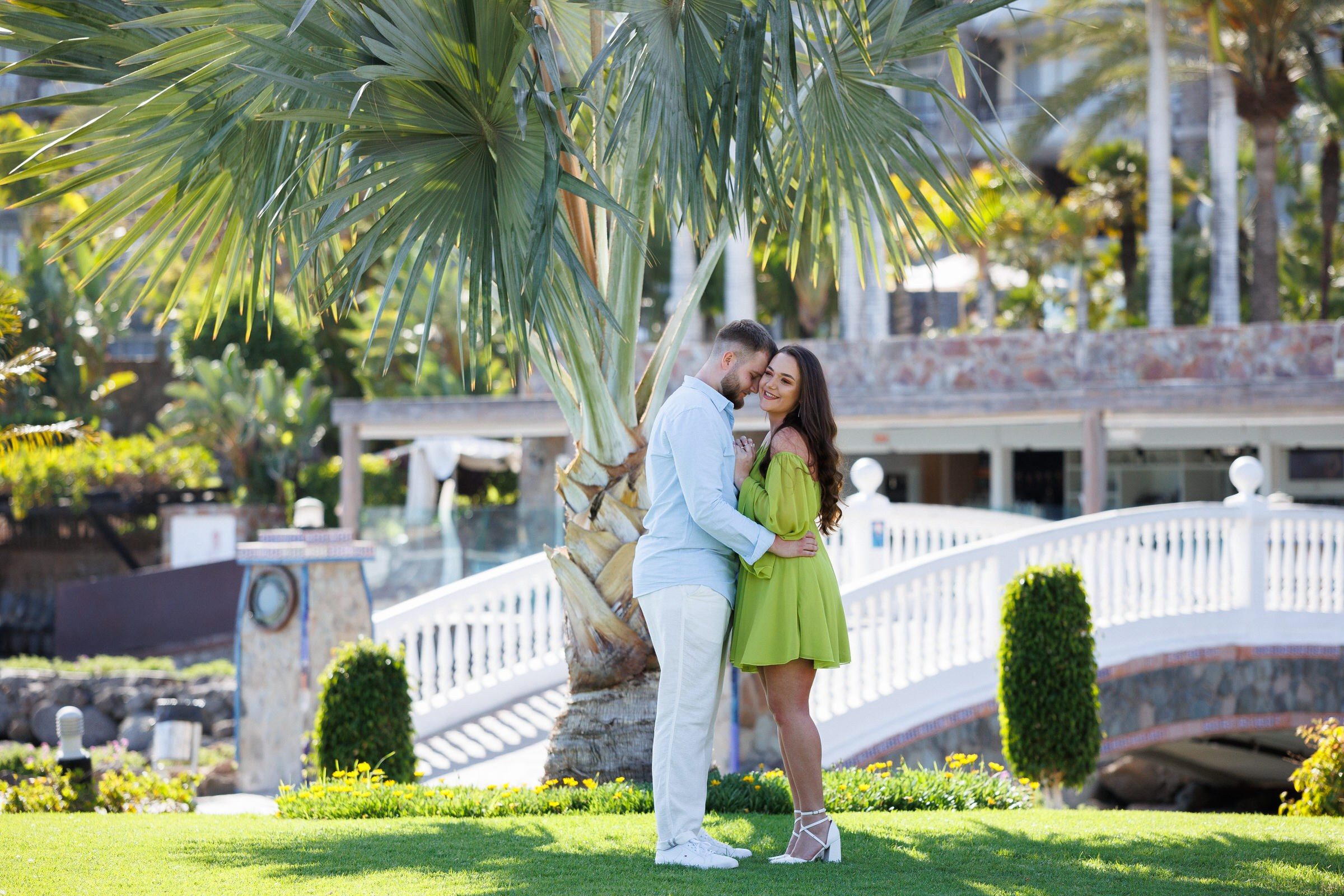
Coordinated outfits always look beautiful, but comfort matters more than matching perfectly. If you feel self-conscious about what you’re wearing, it will show in the photos. I usually recommend light, flowy fabrics in natural, earthy tones because they photograph beautifully in Gran Canaria’s warm light. Very bright whites or neon colours can sometimes look too harsh in strong sunlight.
Give Yourself Time to Warm Up
The first 10–15 minutes of almost every photoshoot are usually the most awkward. Don’t judge yourself — or me as your photographer — by those first moments. Once you relax into the experience, the real photos begin to happen naturally.
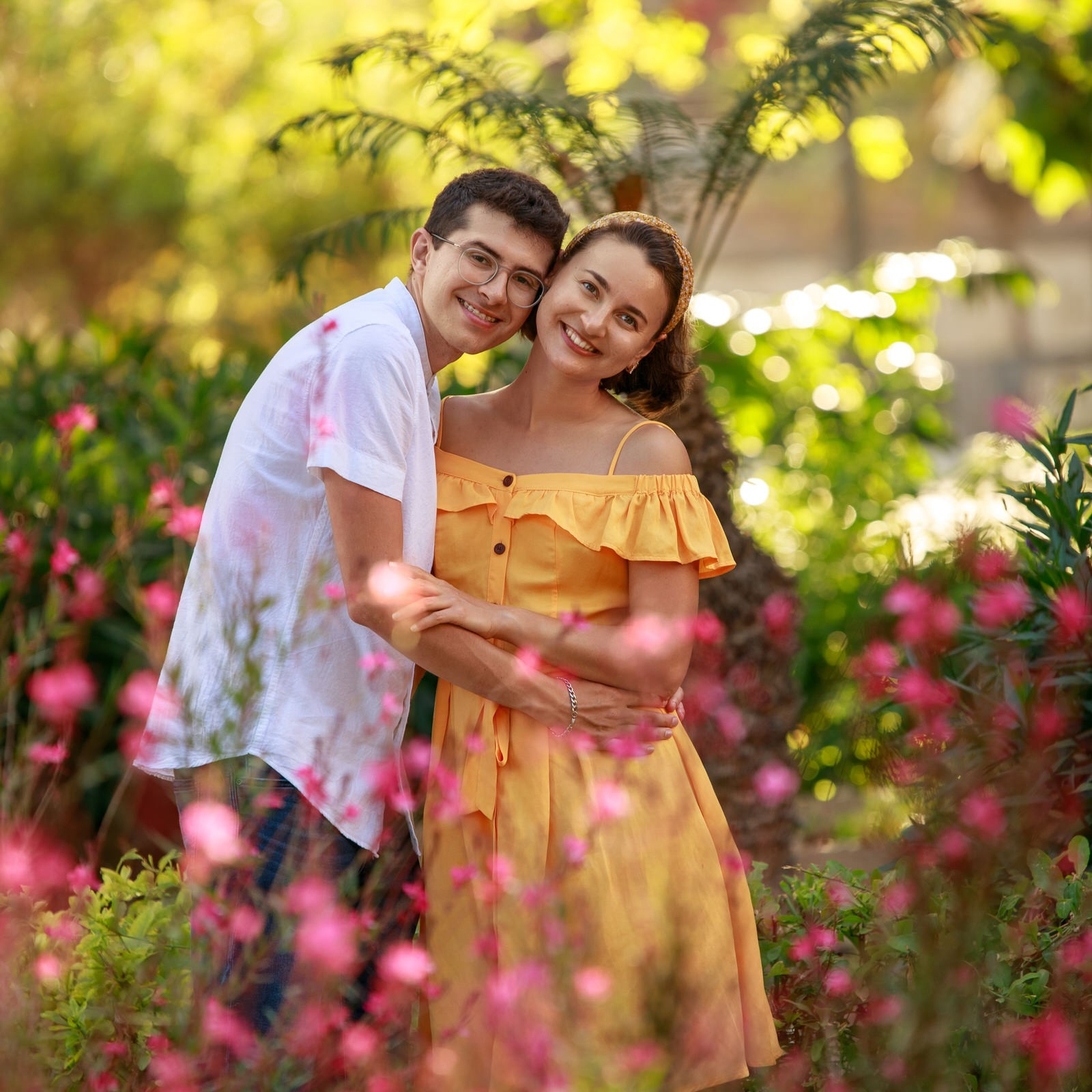
Slavik is known for his ability to make clients feel comfortable and at ease during shoots. Clients rave about the stunning quality of the photos, often describing them as magical or sublime. Many families appreciate Slavik’s patience and skill in capturing beautiful moments, especially with children.
FAQ: Holiday Photography in Gran Canaria
How far in advance should I book a photographer in Gran Canaria?
For peak season (December–April and July–August), book at least 2–4 weeks in advance. For very specific dates — New Year’s Eve, Valentine’s week, Easter — book as early as possible. Popular photographers often fill up months ahead during high season.
How long does a holiday photo session typically last?
Most couples and family sessions run between 1 and 2 hours. That’s usually enough time to cover 1–2 locations and get a comfortable mix of relaxed and intentional shots without anyone getting tired.
What should we do if the weather is bad?
Gran Canaria has over 300 days of sunshine a year, but occasional overcast days actually produce beautiful, even light for photos. Light rain in the south of the island is rare. Most photographers will reschedule if conditions are genuinely unsuitable.
Is it worth doing a shoot if we only have one day in Gran Canaria?
Absolutely. Even a one-hour sunset session in the dunes can produce 50–100 beautiful images. If you’re only here briefly, just make sure to book in advance and plan your shoot time around golden hour.
Should You Hire a Professional Photographer?
This depends entirely on how much these photos matter to you.
Smartphone cameras are genuinely impressive today, and for quick holiday snapshots, they work perfectly fine. But for photographs you truly want to keep — on your wall, in an album, or as memories from a honeymoon or family trip — a professional photographer makes a huge difference.
As a photographer, I do much more than simply press a button. I know where the light will be at 6:45pm, which angles flatter different people, how to help a nervous couple relax and laugh naturally, and how to keep children engaged long enough to capture genuine smiles.
I also take care of the logistics: the best timing, parking spots, and photography rules in locations like the dunes. You can simply arrive and enjoy the experience.
What to Look for in a Holiday Photographer
- Portfolio that matches what you want. I always recommend looking for natural and relaxed images rather than overly stiff poses.
- Communication before the shoot. A good photographer wants to know more about you — what kind of photos you love, what you’re celebrating, or even what games your children enjoy.
- Language. If you’re visiting from Finland, Scandinavia, Estonia, or Russia, working with a photographer who speaks your language can make the whole experience feel much more comfortable and natural.
- Experience with the locations. As a local photographer in Gran Canaria, I know how the best spots change depending on the season, tide, and time of day.
The Next Step
The most common regret people have after a holiday isn’t the photos they took — it’s the photos they never properly captured. If you’re visiting Gran Canaria and want photographs that truly capture the trip — the light, the atmosphere, and the people you’re sharing it with — the best time to book is before you arrive.
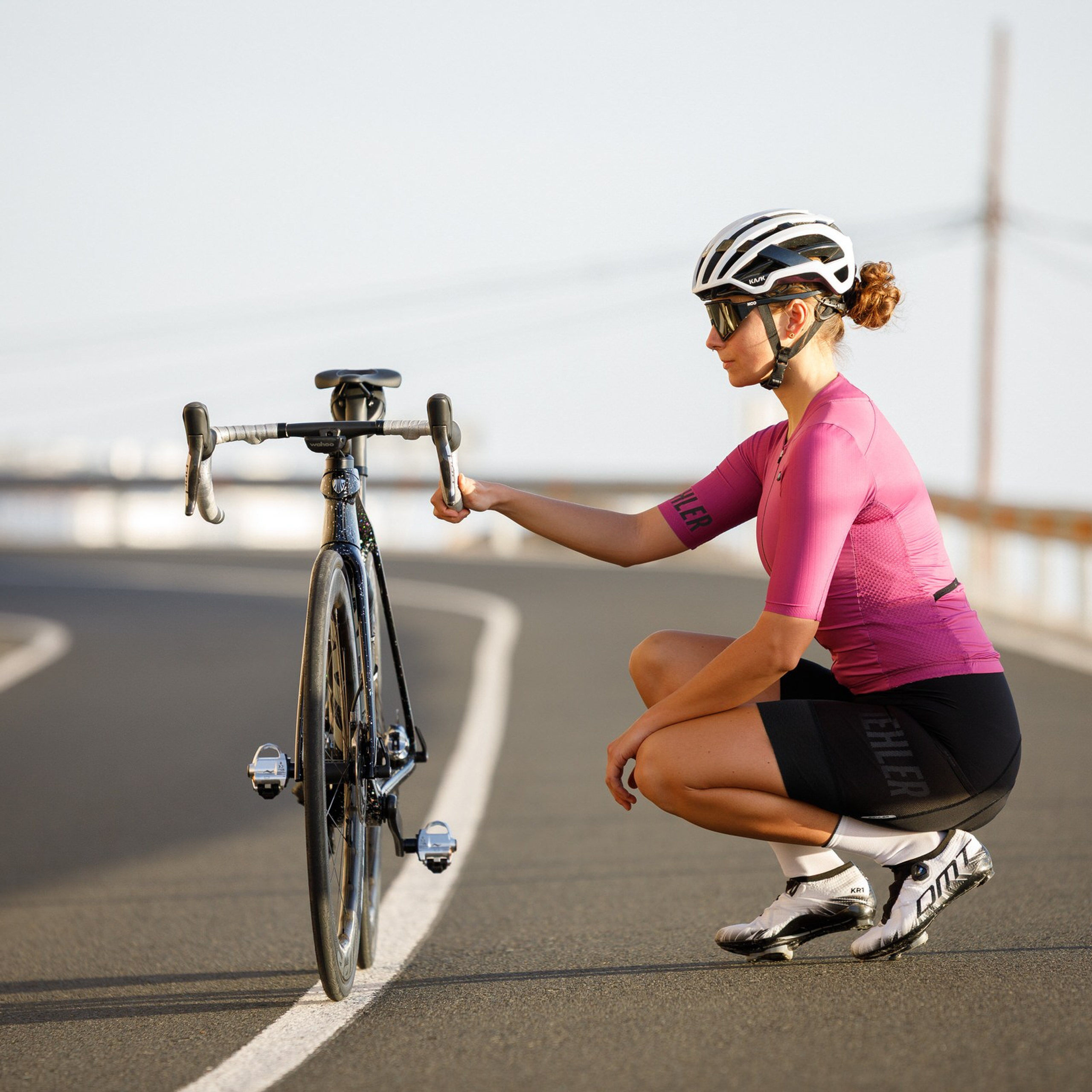
Bicycle Sport Photoshoot in Gran Canaria

Maternity Photoshoot Maspalomas

Engagement Photoshoot in Maspalomas
Photographer Maspalomas beach
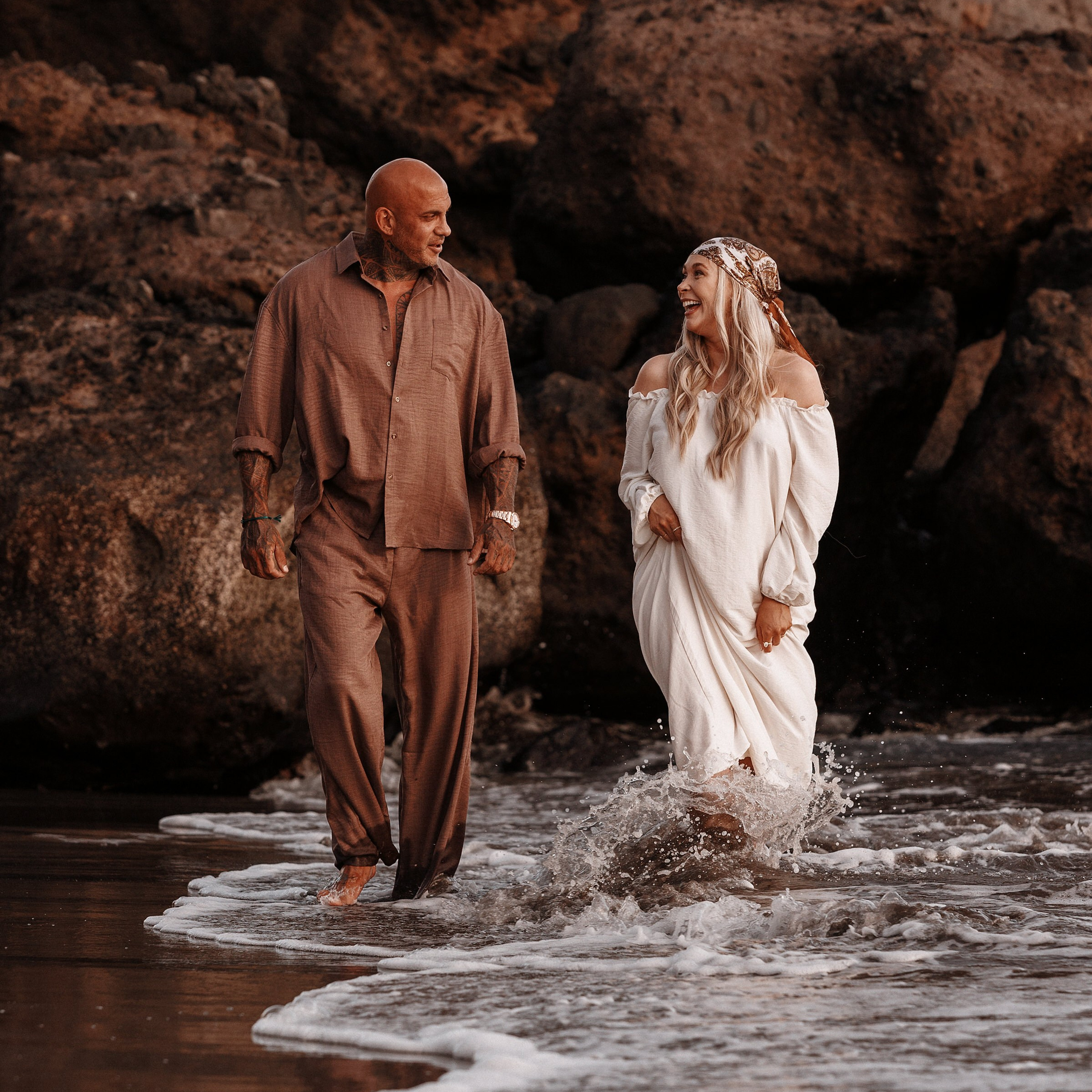
Playa del Cura Photographer Slavik Robtsenkov
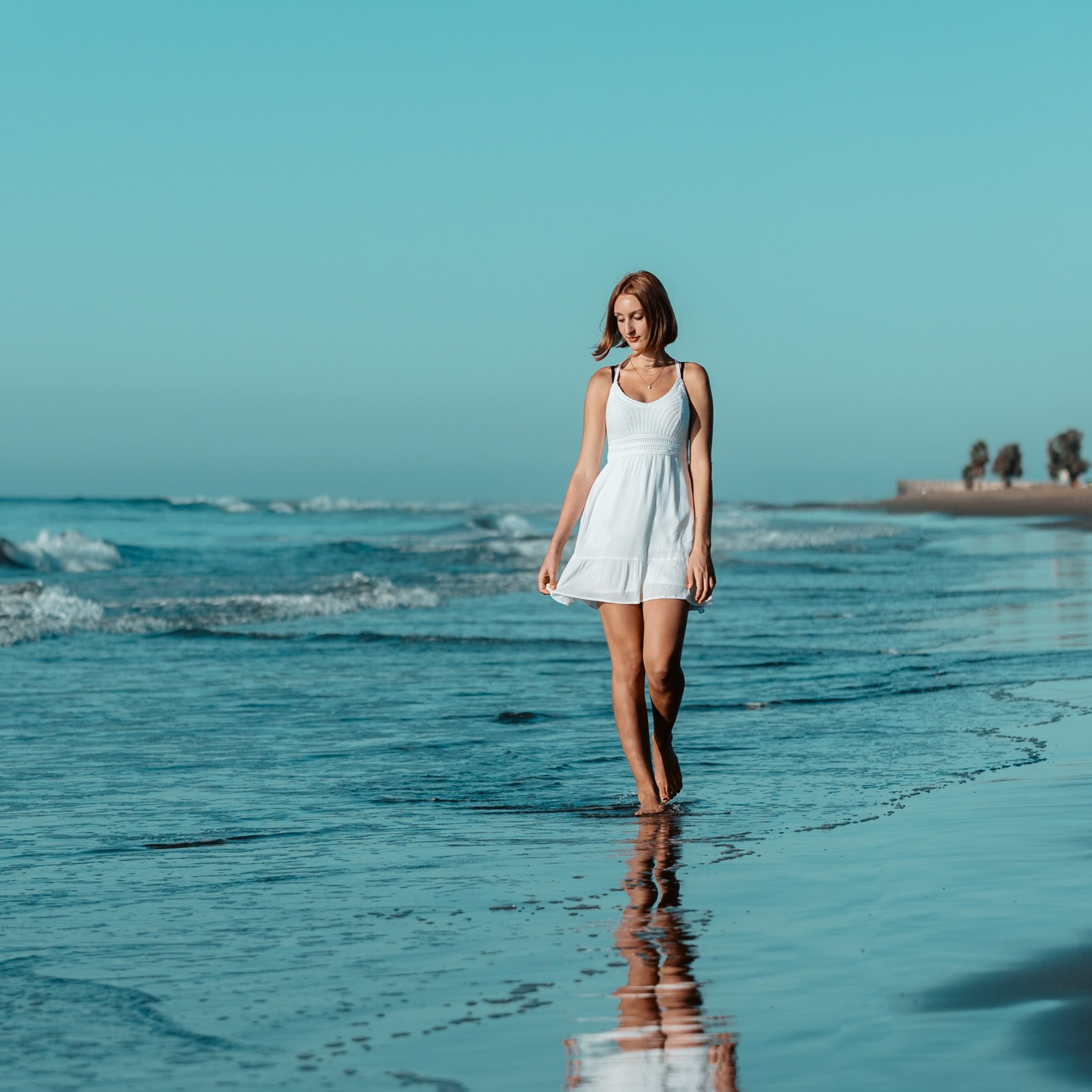
Solo Traveler Photographer in Gran Canaria
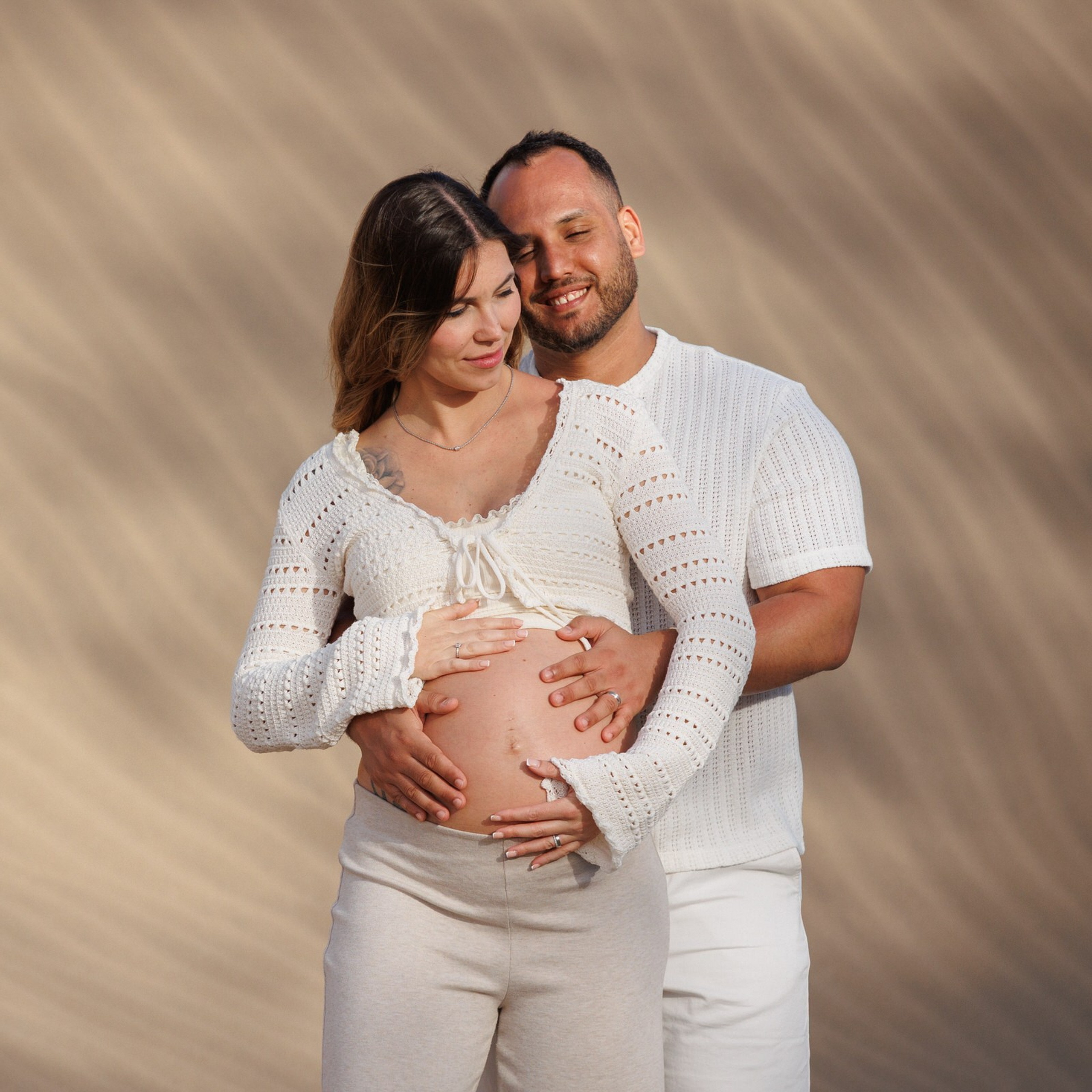
Mitä pakata mukaan Gran Canarian äitiys- tai perhekuvaukseen?
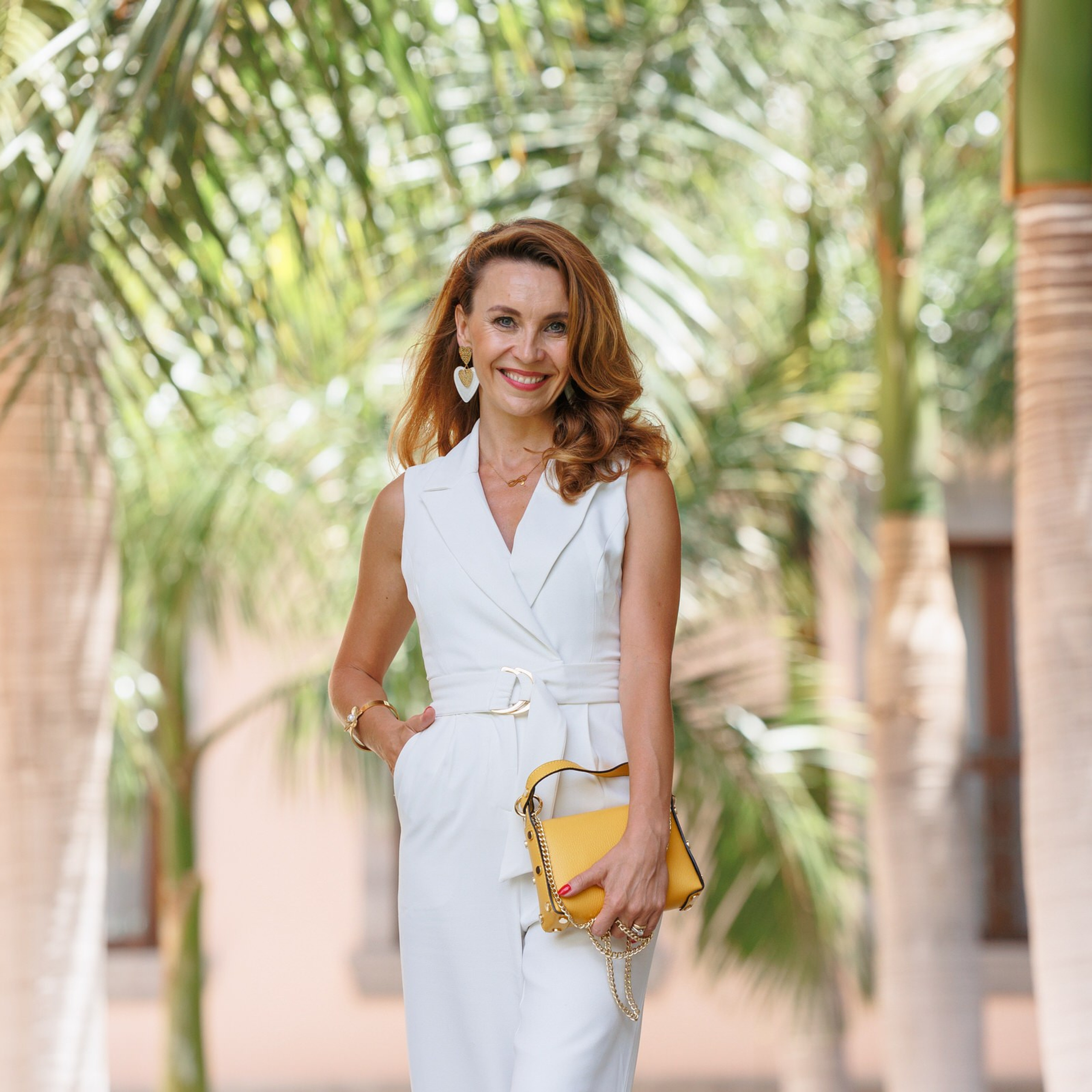
Business Portrait Photographer in Gran Canaria
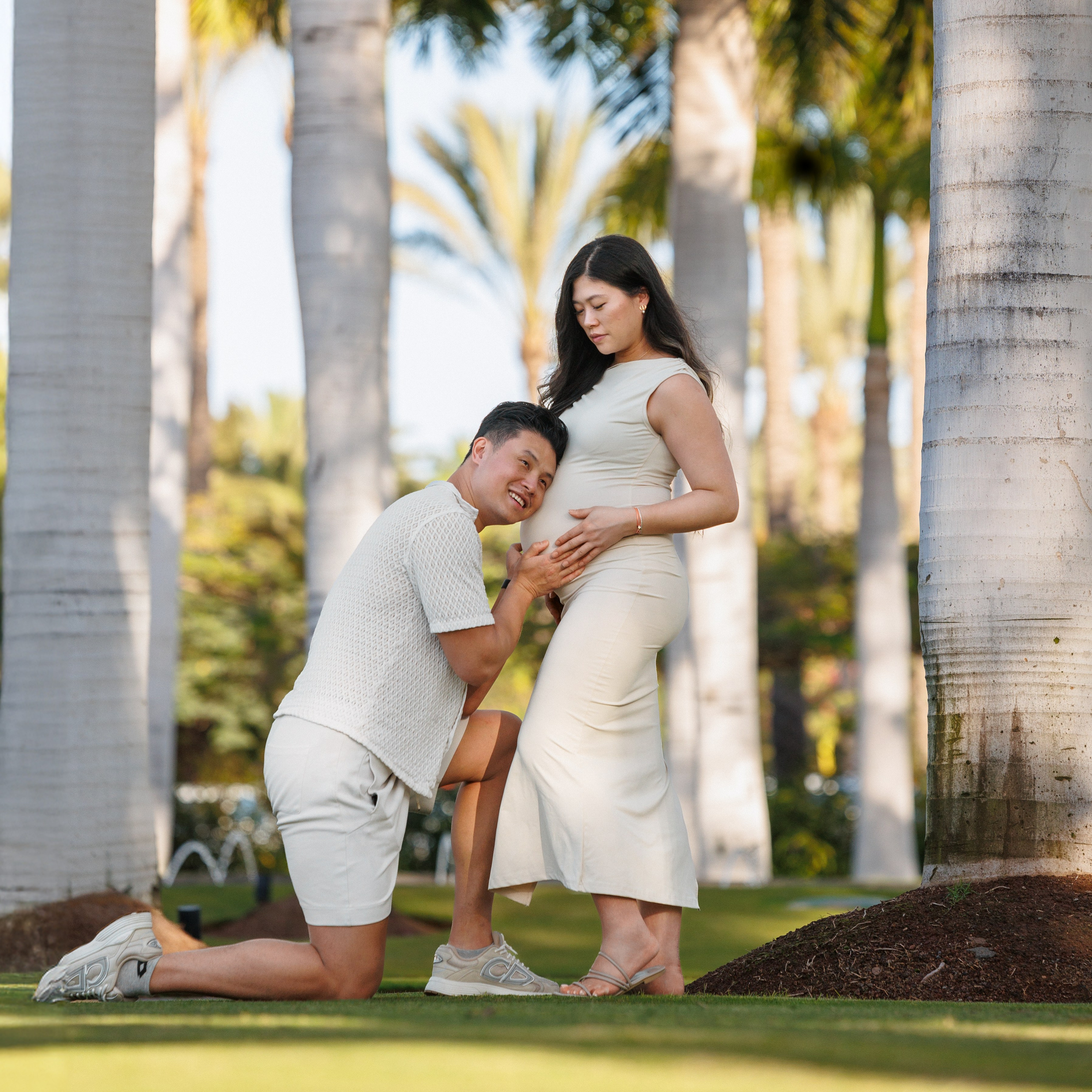
Maternity photographer Lopesan Costa Meloneras
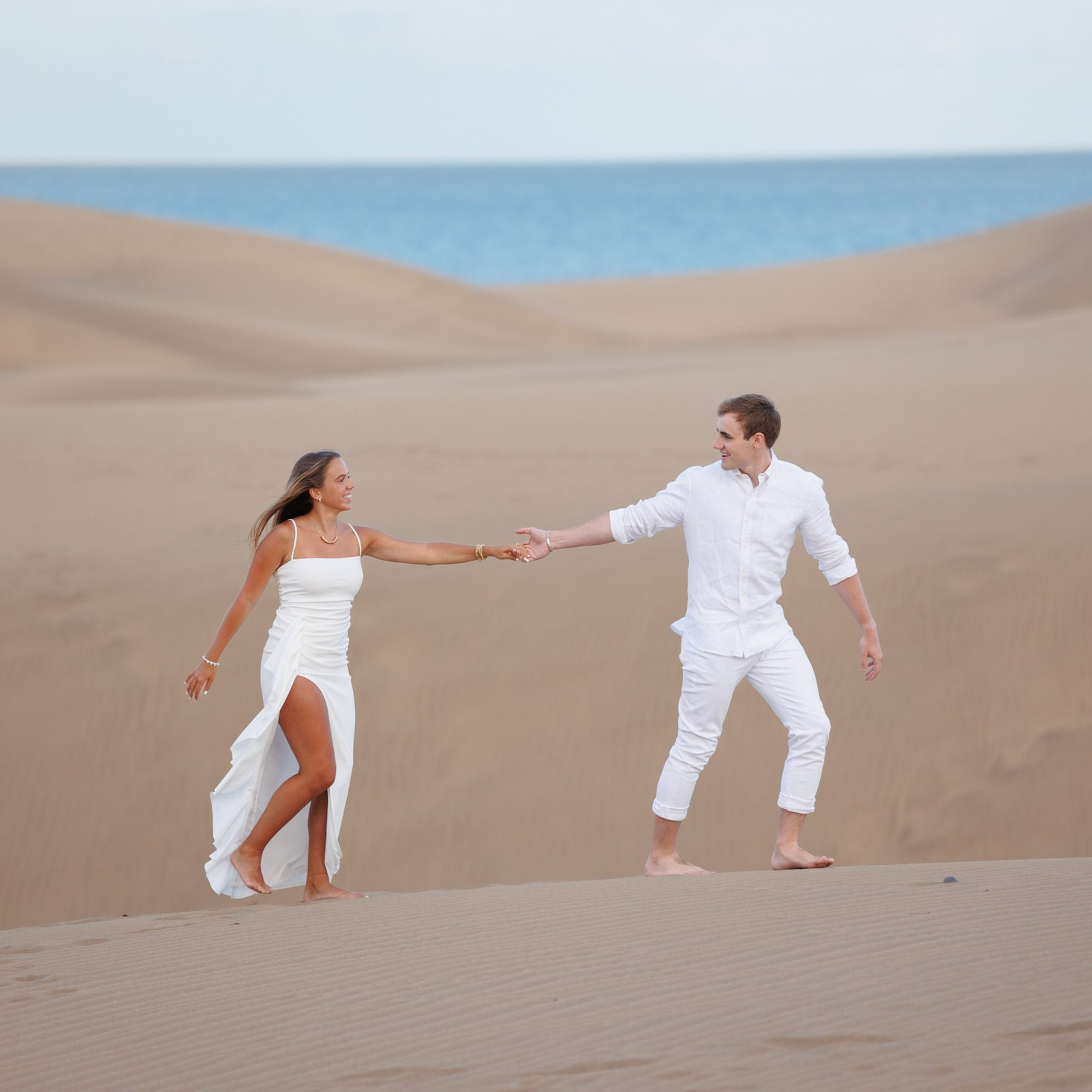
Private Photo Tour Gran Canaria
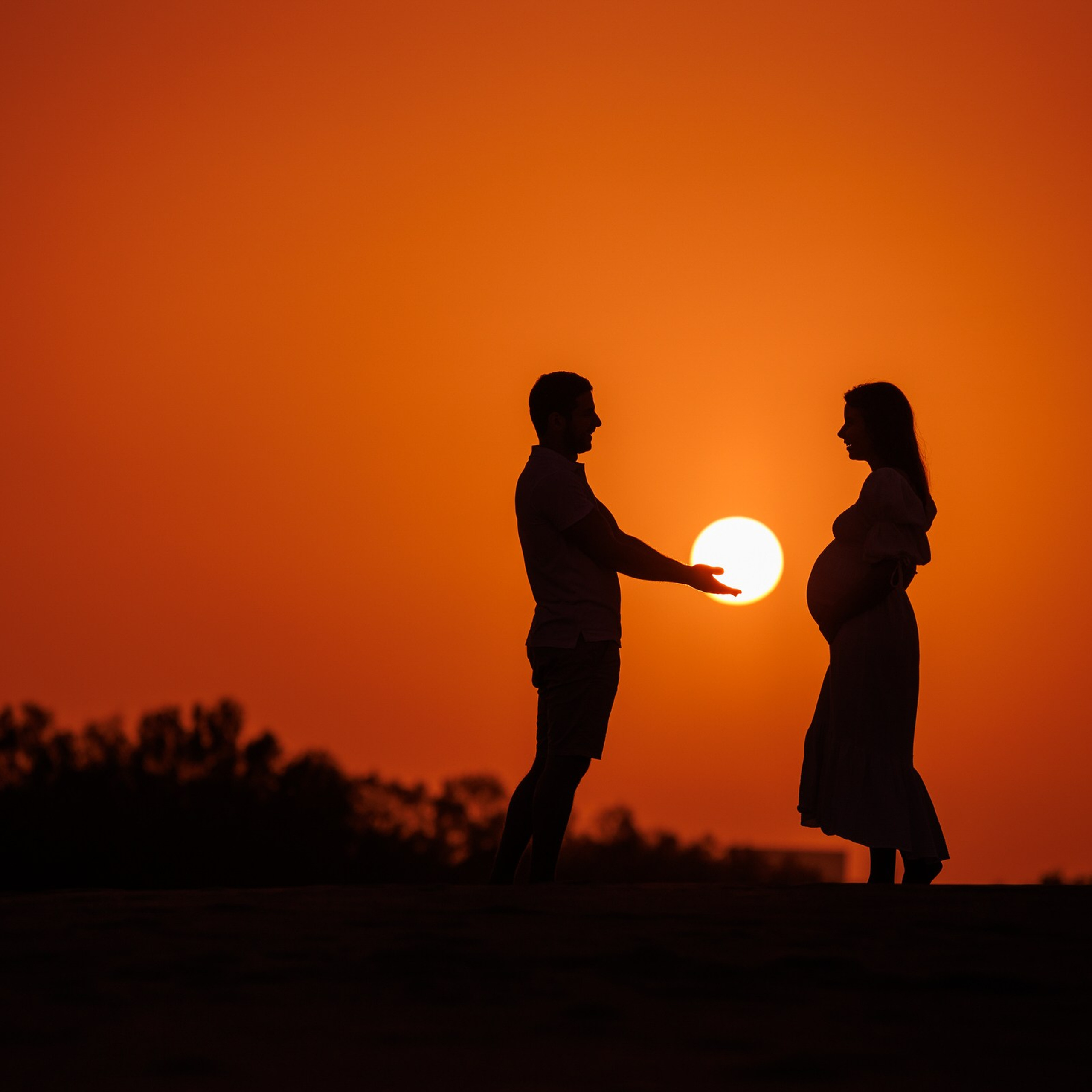
Maternity Photo Shoot Gran Canaria
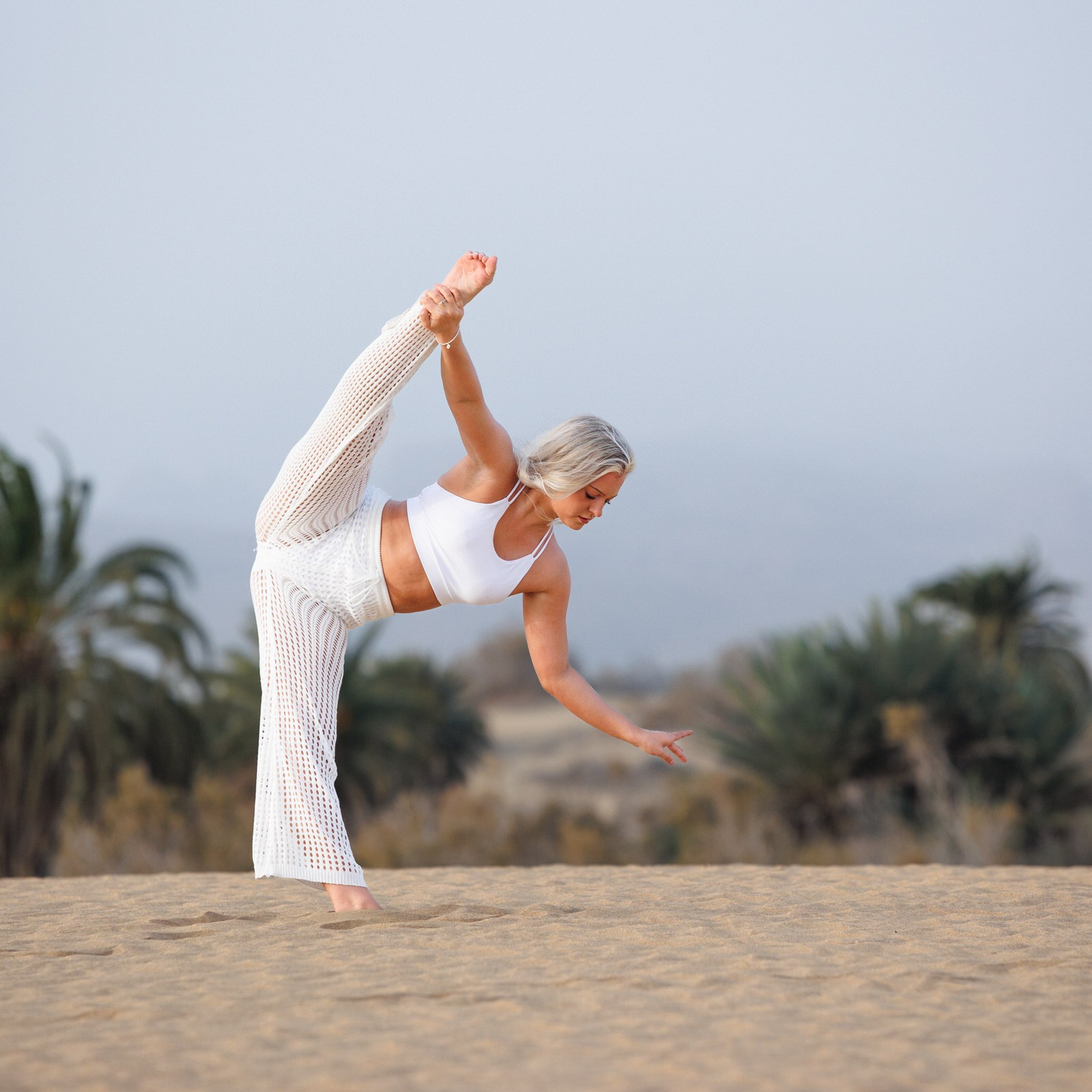
Dance Photography Dunas Maspalomas Desert
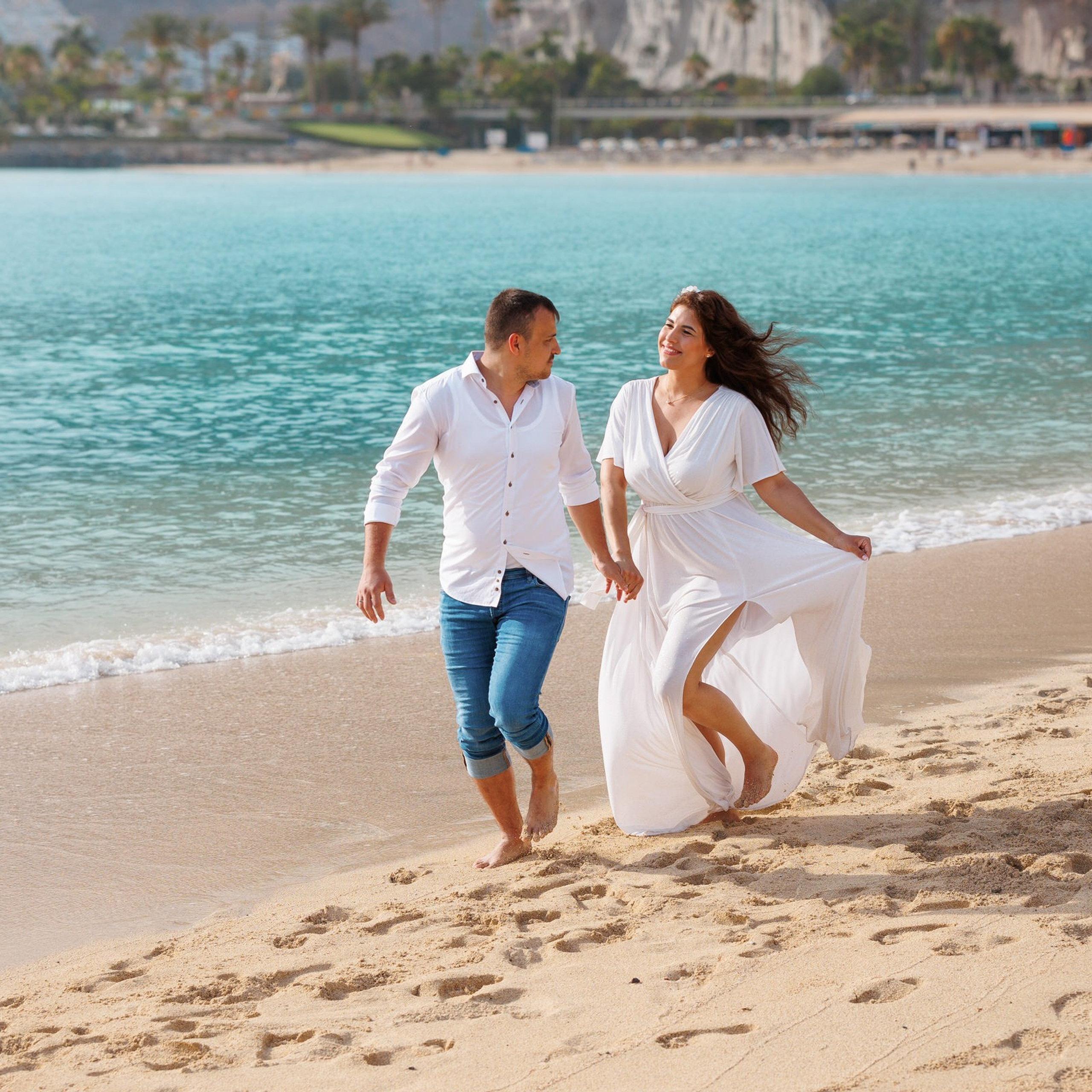
Top couple photo shoot location in south Gran Canaria
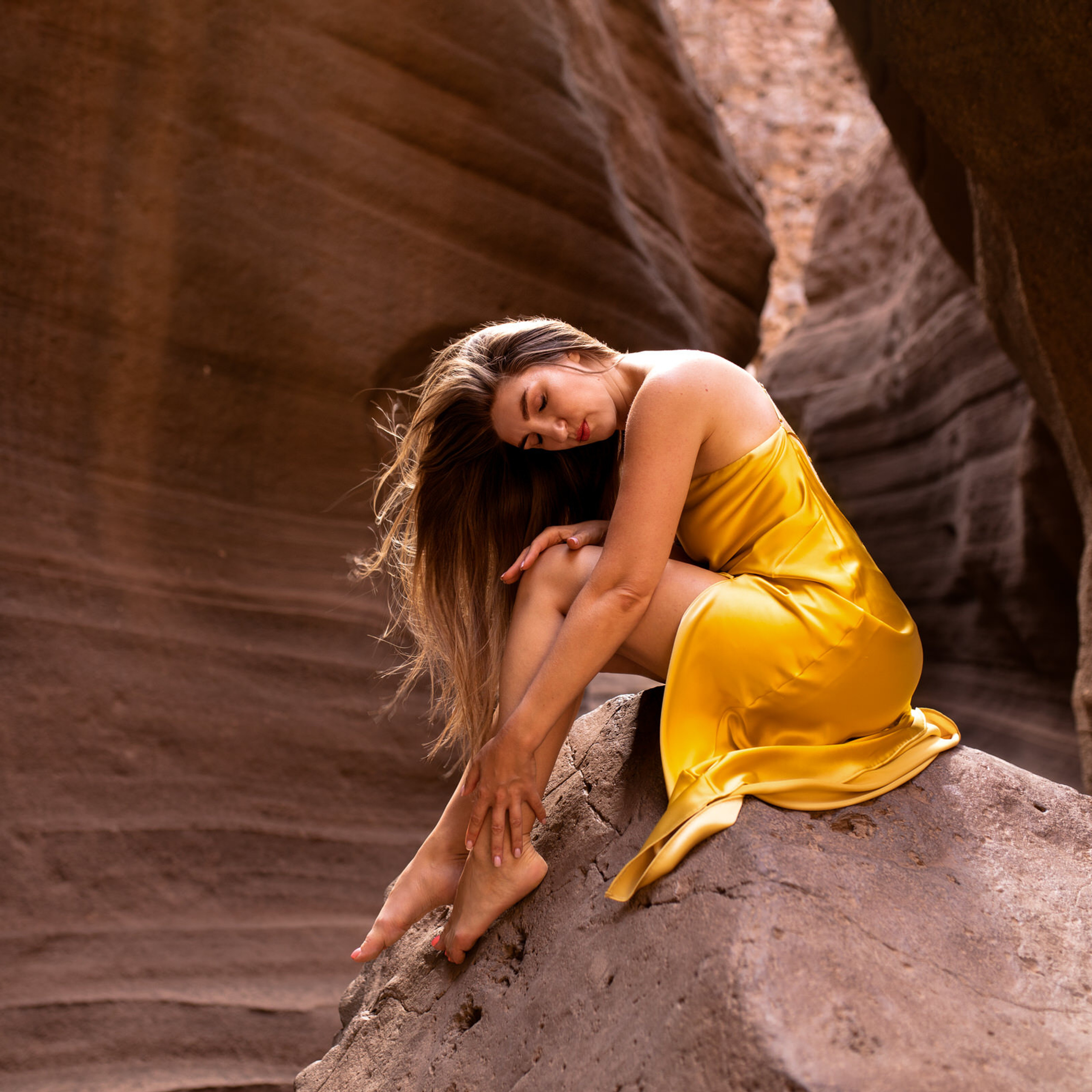
Photographer barranco de las vacas